Topics

Research assistant careers

70 articles · Page 1

This section collects the site's articles on working as an academic research assistant, from the first application to longer-term career moves. It covers what the role actually involves beyond data entry, the skills principal investigators look for, hiring and interview processes, and how job applications and CVs are read when AI tools are part of screening. Also here: pay and hourly rates, certifications and online courses and how much they are worth, remote and virtual research assistant work, and the growth of freelance and contract academic research. Several pieces compare human research assistants with AI-powered research support, and map career paths that continue into a PhD as well as those that do not.

Frequently Asked Questions

What does an academic research assistant actually do?

Responsibilities vary by discipline and project, but typically include literature searches, data collection and cleaning, coding or transcription, and helping prepare figures, reports and manuscripts. Many roles also involve administrative work such as scheduling participants and maintaining records. The mix depends heavily on the principal investigator and the stage of the project.

Can you work as a research assistant remotely?

Yes, virtual research assistant positions exist, particularly for literature reviews, data analysis, transcription and writing support that do not require lab or fieldwork access. Some are university appointments carried out from home, others are freelance or contract arrangements in the academic gig economy. Remote work usually demands strong self-management and clear communication with the supervising researcher.

Are research assistant certifications worth taking?

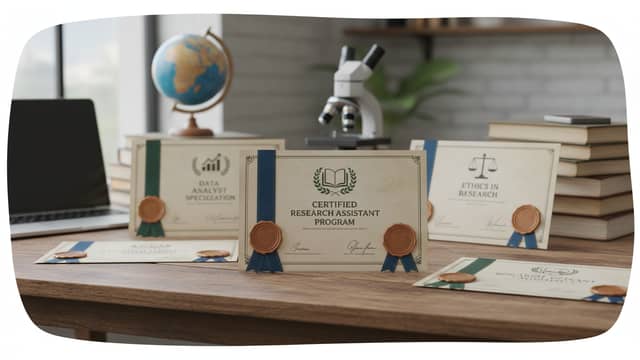
It depends on what the certificate covers and who recognises it. Training in specific methods, software or research ethics can make an application more credible, while generic online credentials often carry little weight with hiring PIs. Demonstrable skills and relevant project experience usually matter more than the certificate itself.